
 英语
英语 中文简体
中文简体
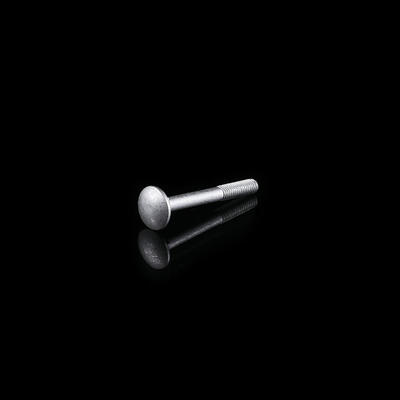
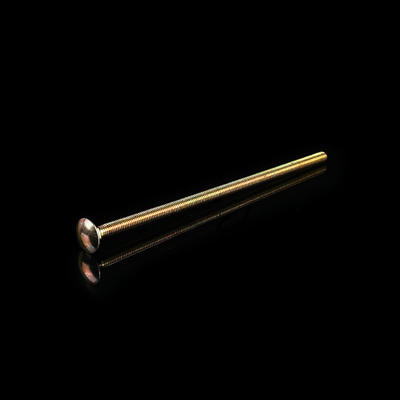
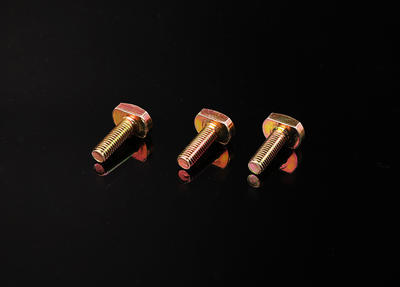
Zinc Plated half thread Mushroom Head Square Neck Carriage Bolt DIN603,M 6 /8
Diameter range (mm):M5-M24,3/16-1'Length range (mm):16-600,1''-2'

The copper evaporator tube remains the industry standard for heat exchange applications, particularly in HVAC, refrigeration, and industrial processing. Copper’s inherent physical properties make it an ideal medium for phase-change heat transfer. Unlike alternative metals, copper possesses an exceptionally high thermal conductivity, allowing for rapid energy exchange between the refrigerant circulating within the tube and the ambient air or fluid surrounding it. This efficiency is vital for maintaining the system's Coefficient of Performance (COP), ensuring that cooling cycles are both fast and energy-efficient.
Beyond thermal performance, copper offers superior corrosion resistance against many common refrigerants and environmental contaminants. When used in evaporator coils, these tubes must withstand constant moisture from condensation without degrading. The durability of copper ensures a long service life for the equipment, reducing the risk of refrigerant leaks which can be both environmentally damaging and costly to repair. Its malleability also allows manufacturers to create complex coil shapes without compromising the structural integrity of the tube walls. We are Wholesale Copper Evaporator Tube Manufacturer.
Most evaporator tubes are manufactured from Phosphorus-Deoxidized Copper (DHP), often classified as C12200. This specific grade is preferred because it maintains excellent welding and brazing characteristics while providing high resistance to hydrogen embrittlement. The "temper" of the tube—ranging from soft annealed to hard drawn—is selected based on the specific installation requirements. Soft tubes are ideal for applications requiring manual bending and flaring, while hard-drawn tubes provide the rigidity needed for straight runs in large-scale industrial evaporators.
Evaporator tubes come in various wall thicknesses and diameters to handle different pressure levels, especially with the industry transition to high-pressure refrigerants like R-410A or R-32. Below is a comparison of typical specifications used in residential and commercial evaporators:
| Outside Diameter (OD) | Typical Wall Thickness | Common Application |
| 5mm - 7mm | 0.25mm - 0.35mm | High-efficiency Microgroove Coils |
| 3/8 inch (9.52mm) | 0.41mm - 0.81mm | Residential Split Systems |
| 5/8 inch (15.88mm) | 0.89mm - 1.25mm | Commercial Air Handlers |
To meet modern energy efficiency standards, many copper evaporator tubes now feature "inner-grooved" or "micro-fin" technology. Instead of a smooth internal bore, these tubes have a helical pattern machined into the inner wall. This design significantly increases the internal surface area without increasing the overall footprint of the evaporator coil. The grooves also create turbulence in the refrigerant flow, which disrupts the boundary layer and enhances the heat transfer coefficient by up to 2-3 times compared to smooth-bore tubes.
The benefits of using internally grooved copper tubes include:
While copper is exceptionally durable, the longevity of an evaporator tube depends on proper maintenance and protection against specific forms of corrosion. One common issue in residential settings is formicary corrosion—tiny, microscopic tunnels formed in the copper wall—often caused by exposure to volatile organic compounds (VOCs) found in household cleaning products or building materials. To combat this, many modern copper evaporator tubes are treated with specialized protective coatings or are manufactured using thinner, high-strength alloys that respond better to protective measures.
Ensuring a clean environment for the evaporator coil is the most effective way to preserve the tube. Regular cleaning to remove dust, mold, and bio-growth ensures that the copper surface remains in direct contact with the air, preventing the buildup of corrosive agents. When a leak does occur, copper’s ease of repair is a major advantage; it can be quickly brazed or joined using mechanical press fittings, unlike aluminum alternatives which often require complete component replacement.